
Air-to-Water Heat Pumps
Explore heat pumps for compatible hydronic heating systems.
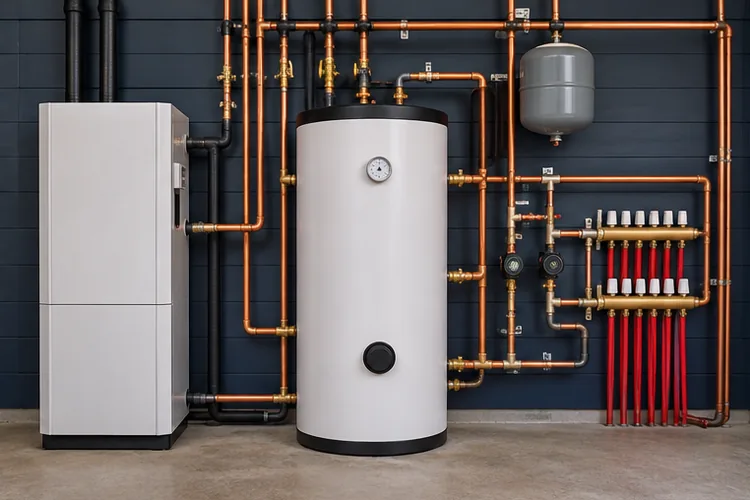
Start with the heat your house uses today
An air-to-water heat pump transfers heat from outdoor air into water circulated through a compatible hydronic system. Think of the water as the delivery method. The equipment that gives off heat indoors might be radiant tubing, a hydronic fan coil, or another compatible emitter. A first conversation often starts with your boiler, the rooms it serves, and how comfortably those rooms heat on a cold day. Tell us if some zones are already hard to heat or if the house has an addition with different equipment. Those details help identify which parts of the system need closer evaluation before you compare options.
Find out what water temperature the home needs
The water temperature that keeps your home comfortable is an important design input. Radiant floors and other emitters designed for lower temperatures can be good candidates. Some existing baseboard or radiator systems may need hotter water on cold days, depending on the amount of installed radiation and the heating load. Compatibility requires checking the actual emitters and design conditions. We discuss what to review, including room-by-room loads, the type and length of baseboard or the size of radiators, and how the existing boiler is controlled. Upgrades to the building or the heat emitters can change the result, so let us know if other work is planned.
Decide whether to keep the existing boiler
Homeowners sometimes want to retain a boiler for peak demand, backup, or an existing domestic hot water arrangement. Others are planning a broader renovation and want to evaluate a different system design. If the boiler stays, clarify how the controls will coordinate heating sources and which conditions call for backup. The right answer depends on the building, the selected equipment, and your goals. We also discuss whether cooling is part of the project. Hydronic heating equipment does not automatically provide cooling through existing radiators or baseboard. If cooling matters, ask us to review compatible options and what condensate management they need.
Check how the equipment will fit the building
An air-to-water project involves more than choosing the outdoor machine. The available indoor space affects how components such as pumps, controls and any required buffer tank can be arranged and serviced. The layout also affects piping routes, electrical work and how the equipment will be protected from freezing where applicable. We review exterior siting for service clearance and defrost drainage. In a remodel, equipment and piping decisions can affect the work of other trades, so share drawings and the anticipated timeline early. A clear written proposal should identify the specific equipment and what work is included before the project moves forward.
Prepare for a useful feasibility visit
Gather the boiler make and model if you have them, a few pictures of the piping and indoor emitters, and notes about rooms that lag during cold weather. If you have fuel-use records or a recent heat-loss calculation, those can help frame the discussion. Let us know whether your priorities are heating a specific addition, reducing boiler use, or evaluating a full replacement. Share any plans to improve insulation or change flooring, because those decisions may affect the design. We’ll discuss which information is needed to check compatibility, the questions to resolve before committing, and whether another heat pump layout may better fit your home. Request a visit in New Hampshire, northern Massachusetts or southern Maine.
Compare this with other heat pump options
If the hydronic system needs significant changes, it may be worth comparing a ductless system or a compatible ducted air handler. Think about which rooms need work, how much disruption you can accommodate, and whether you want to keep your existing distribution. A site visit helps identify which options warrant a written proposal.